Guest post
Who is “us” in your team?
How a shared sense of “us” helps build psychological safety in sport
Creating Space makes a case that more of sport needs to hear: psychological safety is “the condition that makes high performance last”. Athletes who can speak up, admit a mistake or ask for help learn faster and stay longer, and Nia’s research shows how much it costs them when that safety is missing. She is also candid about the harder question, which is how it gets built in practice, in the ordinary sessions where culture is actually made. I want to offer one answer from my own field, social identity research, because it explains why those everyday moments matter as much as they do.
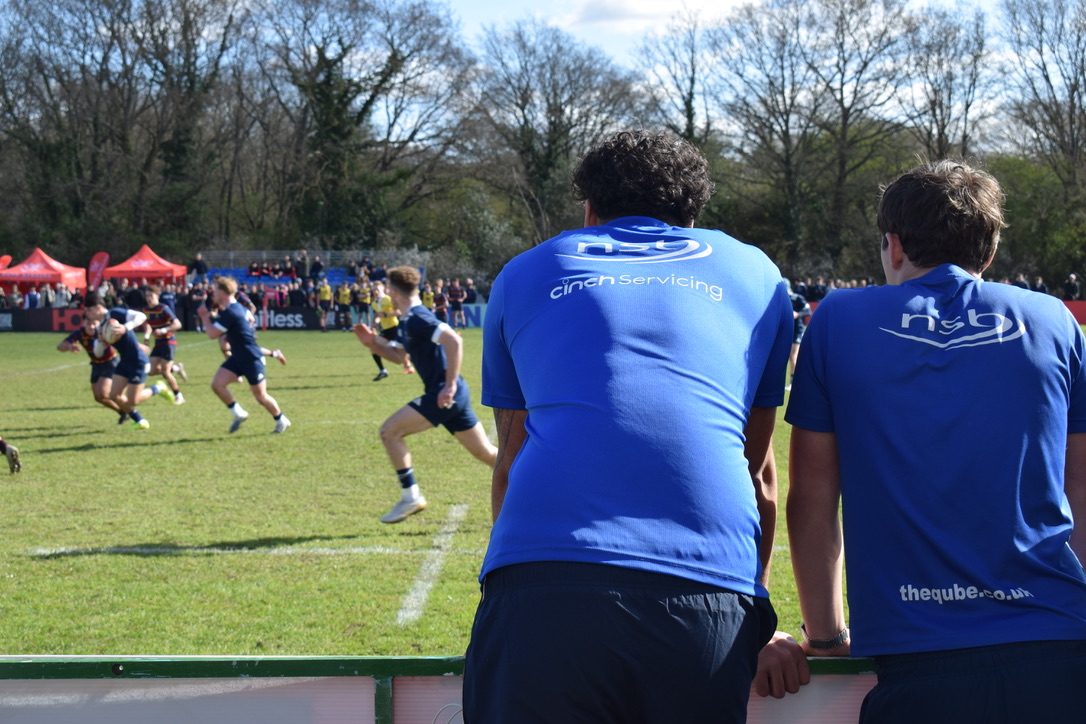
When an athlete decides whether it is safe to say “I don’t understand” or “that wasn’t OK”, they are rarely weighing the words alone. Usually without realising it, they are asking whether the person in front of them is one of us. The same blunt feedback reads as honesty from someone inside the group and as a threat from someone outside it. A team at its best is more than a collection of individuals; it is a shared psychological state, in which players stop simply playing for the team and start seeing it as part of themselves. Inside that “us”, admitting a mistake stops being a personal risk taken in front of an audience and becomes part of how we get better together. It also helps with the worry Creating Space hears so often, that psychological safety means lowering standards. A team’s own standards are usually the highest ones it is held to; the difference is that they are held together rather than imposed.
The research supports this. In a 2020 study of team-sport athletes published in Psychology of Sport and Exercise, Katrien Fransen, Desmond McEwan and Mustafa Sarkar found that where coaches and athlete leaders built a shared sense of “us”, players reported feeling psychologically safer, and that safety was in turn associated with better team functioning and lower burnout. Their title asked whether psychological safety is “the missing link” between good leadership and healthy, effective teams. On their evidence, it is.
We should be straight that a strong “us” is not automatically a safe one. Mark Bruner’s studies with youth athletes found that some kinds of close team bonding went with more support for teammates, while others went with more hostility towards opponents. A group built around fear, toughness or winning at all costs will hold its members to those norms just as firmly as a healthy group holds its own. So what the identity is built around matters as much as how strong it is, and psychological safety has to be written into what “us” means.
For a coach, the identity leadership literature points to four things, and each one shows up in exactly the kind of small moment Creating Space describes.
Be one of us. Turn up for what the team cares about, share the bad days as well as the good ones, and explain decisions in the team’s language rather than your own.
Do it for us. When you make a selection call or give difficult feedback, make it visible that the decision serves the group, not your record or your reputation.
Create a sense of us with the players. Ask them what kind of team they want to be, including how we treat each other when someone gets it wrong, and let their answer become the standard you all hold.
Make it matter. Build that answer into the routines: how a session starts, how mistakes are reviewed, whose voice is heard first. This is where identity becomes everyday practice instead of a poster on the clubhouse wall.
None of this replaces the relational skills, reporting structures and safeguarding that Creating Space argues for; it gives them somewhere to live. A coach cannot hand psychological safety to a team. What a coach can do is help the team build an “us” that people feel safe inside, and make sure the coach is part of it. When your players say “we”, does that include you, and does it include the player who got it wrong last weekend?