Blog
Pastries and Psychological Safety
“One ‘tarte aux pommes’ with a side of communication please”
As I listened to my sister’s account of her days working in a patisserie in France, I realised I was hearing her experience through the lens of psychological safety. This isn’t surprising given that have spent the last two years immersed in the ins and outs of the concept. Her work as a pastry chef has nothing to do with sport, though after a long day, she might describe it as one. Still, the principles of psychological safety remain the same. Her experience is a clear example of an environment where there is no obvious physical or emotional harm, yet the lack of psychological safety contributed significantly to a dip in her wellbeing and, well…performance.
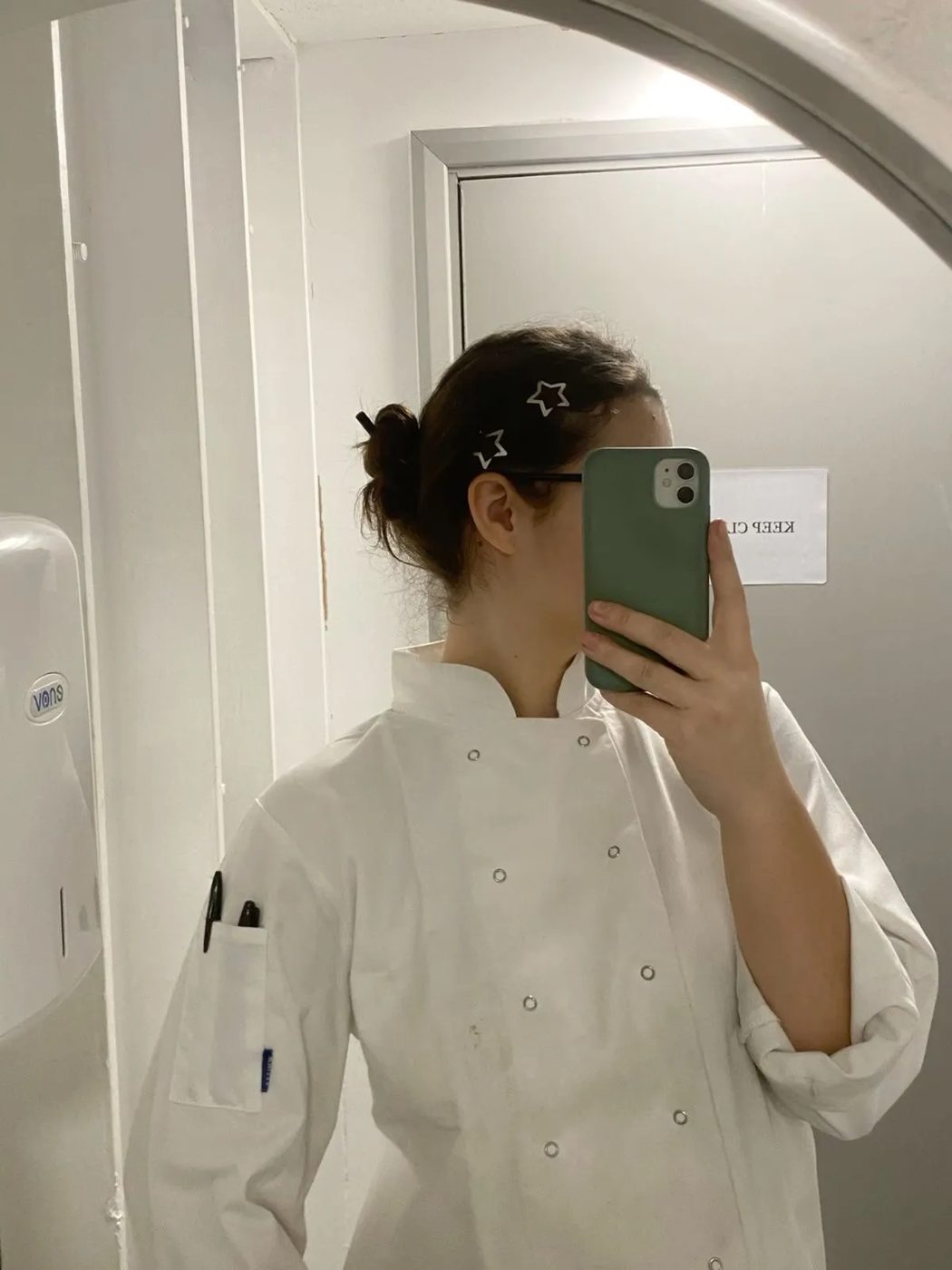
She started at the patisserie eager and excited to learn and do well. After her first day, our family chat received a message from her saying the day had gone okay, but she felt she hadn’t done much. The chefs and owners hadn’t really engaged with her or explained how the place was run, what they expected of her and how they wanted things done. Of course, many first days involve being dropped in at the deep end, and my sister is no stranger to that. In fact, to her credit, she is extremely hardworking, efficient and proactive, and she is used to a high standard of work and quality, which she didn’t necessarily recognise in this place. But that’s beside the point. As the week went on, she kept trying to ask questions, get involved and be proactive, but her efforts were met with short replies, little communication and dismissal. As a result, she went home each day a bit disappointed, frustrated and unmotivated.
The chefs and owners hadn’t necessarily done anything ‘wrong’. She doesn’t need her hand holding, but psychological safety doesn’t require something ‘wrong’ to happen, or for there to be psychological harm, for it to be relevant. Sometimes (most times, in my experience), it’s about the absence of an action rather than the presence of a harmful one.
In this case, the lack of communication and engagement creates psychological unsafety. It’s precisely the fact that my sister couldn’t ask questions or raise concerns without being met with a short or condescending response that creates an environment without psychological safety.
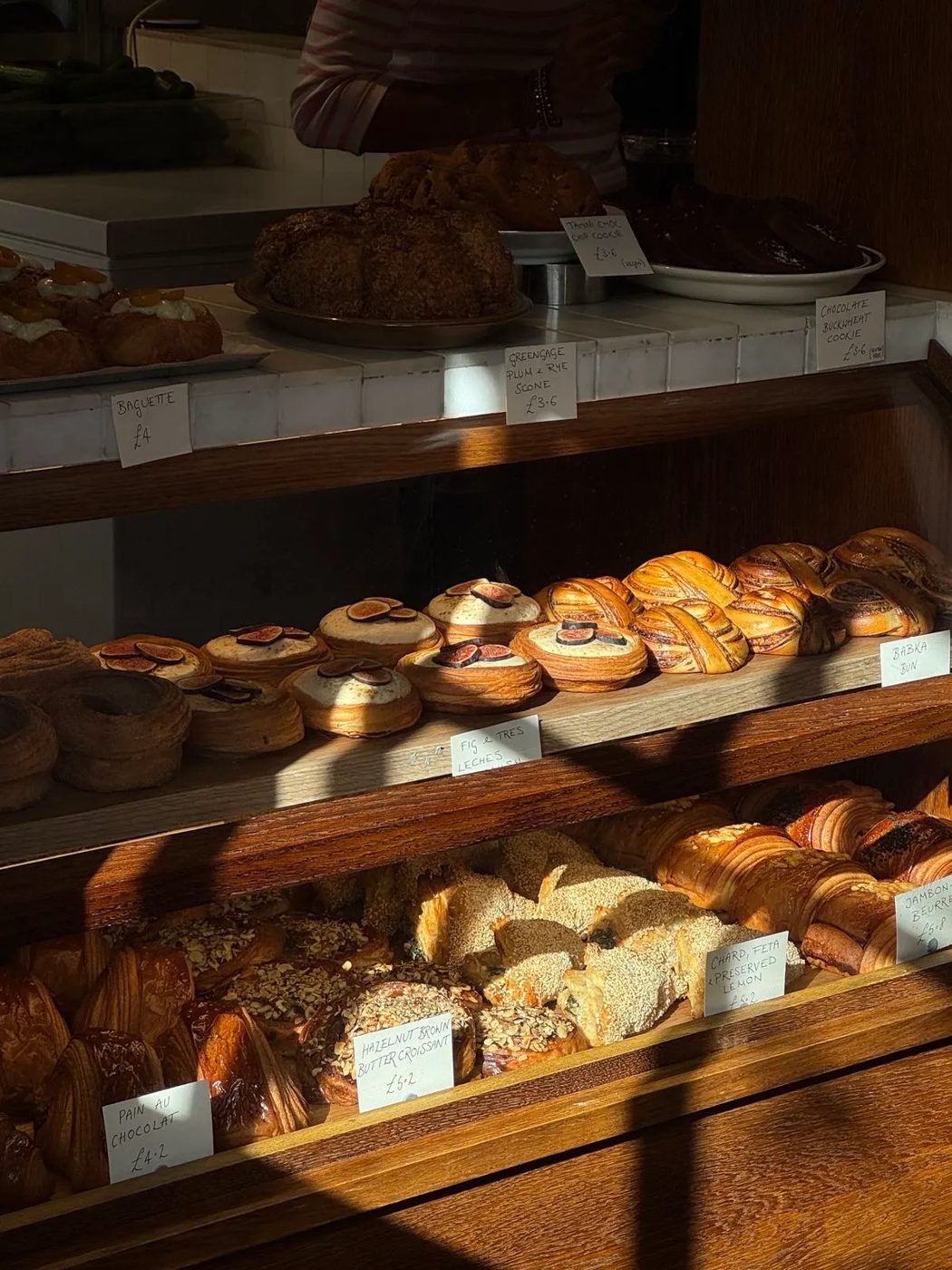
Now, you could argue that they are ‘just French’ and that there is a cultural difference which affects how psychological safety is created and experienced. However, my sister and I both grew up in France, so the more direct French approach is not unfamiliar to us. Plus, directness doesn’t remove the need for simple communication.
Now let’s imagine she had come in and they had engaged with her. They explained their expectations, how they do things, and were open to her questions without making her feel like an inconvenience. She would have felt more supported, happier and therefore more productive, which in turn helps them create and sell more pastries. Happy sister, happy business. Win win.
It’s not about hand holding or being ‘soft’. It’s simply about relational skills, setting expectations and communicating.
‘Simple’ work context things to do to foster psychological safety:
Provide feedback and be open to questions
Create space for people to communicate, raise concerns, ask questions
Check in with people regularly to see how they are getting on
Be open to receiving feedback
Within reason, create a culture where making mistakes is accepted, if not encouraged to promote growth and learning
Set expectation and clarity early on
Be kind