Blog
Gold, but at what cost?
Gabriella Papadakis’ honest experience in a system that does not prioritise psychological safety
As a young figure skater, I grew up watching Gabriella Papadakis, Olympic Champion in ice dance. I distinctly remember watching her and her partner’s free dance in 2016 at the World Championships, to the song ‘To Build a Home’ by The Cinematic Orchestra and was mesmerised by her graceful movements, her speed and elegance. To me (and the world), she looked perfect. But that’s just it - so much of ice skating involves doing everything you can to look ‘aesthetic’ and perfect. It is an aesthetic sport after all.
After reading Gabriella’s book, ‘Pour ne pas disparaître’ (To not disappear), I came to realise that this image that she had so carefully crafted was simply a cover to hide the years of chronic stress, systemic abuse, pressure to fit a certain mould, and expectations that it seems, she could never meet. On the face of it, she was winning everything; French national champion, European champion, multiple time World champion and then Olympic champion, but underneath all that success, lies a severe lack of psychological safety.
It is not my place to comment on the intricacies of her story or experiences, and I cannot fairly take sides without knowing all the details. However, I can recognise themes and patterns similar to those found in my research on psychological safety in aesthetic sports. Unfortunately, Gabriella’s experiences are not unique, she has just been the one to expose the systemic abuse which seeps through many elite sport environments.

For clarity, the definition of psychological safety in sport is ‘the perception that one is protected from, or unlikely to be at risk of, psychological harm.’ Practically, it means athletes can feel safe in their environment, comfortable raising concerns or taking risks, and easily communicate with coaches and peers without fear of repercussions, punishment or rejection. Importantly, psychological safety is distinct from safeguarding. Safeguarding represents protective measures implemented by organisations, whereas psychological safety stems from athletes’ subjective experiences.
Some of the main themes that Gabriella describes, which also came up in the results of the research are: not being able to raise concerns or speak up, feeling like she had to train even when injured or unwell, lack of confidential mental support, inequality and double standards between partners, lack of personalised support (despite asking for it), body shaming, emotional abuse, lack of care, fear, feeling unmotivated and sport being all consuming.
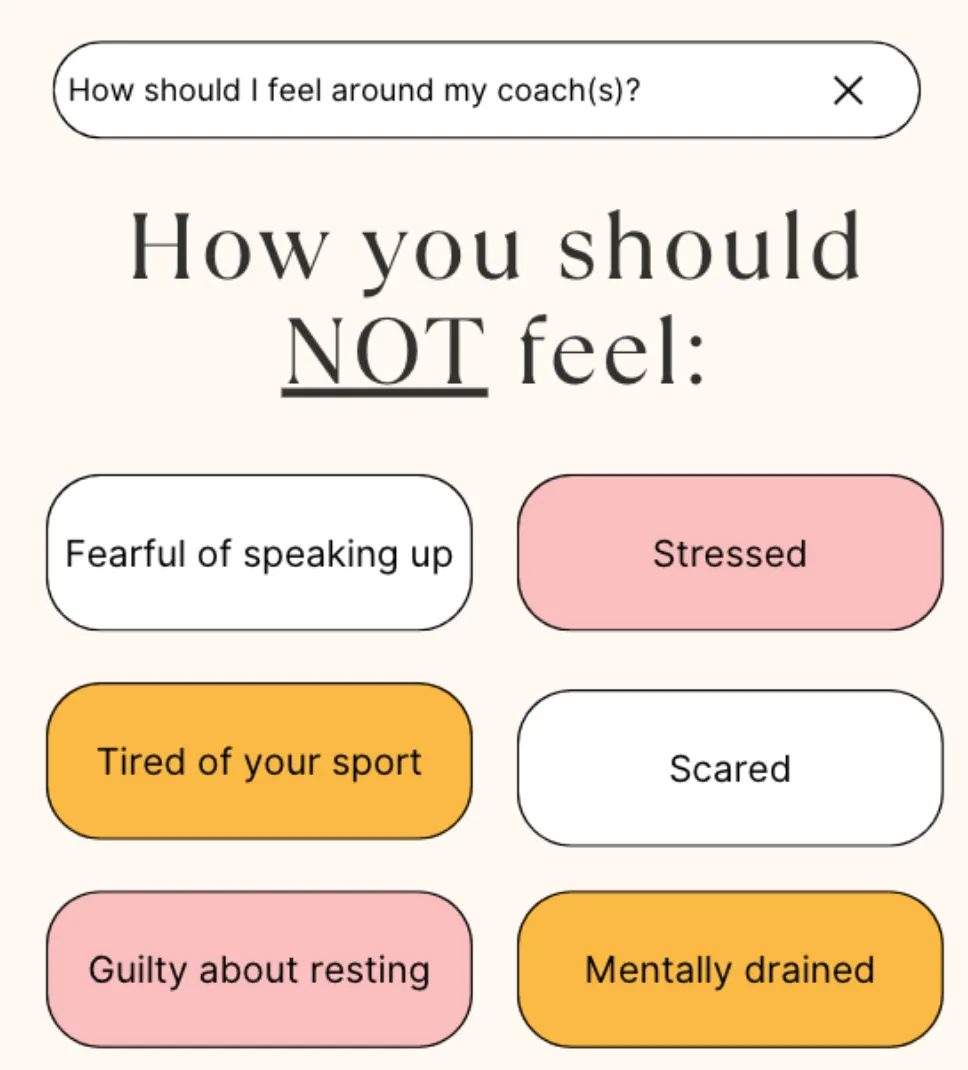
A particularly salient theme which was described by both Gabriella and participants involved in pair skating or ballroom/latin dancing, was partner power dynamics. From a female athlete perspective, they all talked about the imbalanced gender ratio with many more girls compared to boys, affording the latter the freedom to pick and choose the best partner to suit them. In turn, participants described harmful behaviours by their male partners (e.g, mean comments, gripping their partners, shouting, disrespect) which was normalised and ignored by those around the athletes for the sake of a ‘successful partnership’. This is illustrated in Gabriella’s book when she says:
‘[…] the arguments, the constant fear, the health concerns, the feeling of a certain kind of control, thinking that if they [the coaches] had known, they surely would have done something. They don’t seem surprised, and they end the conversation by saying to me: ‘Yes, but you’re an Olympic champion, does that mean you regret your entire career?’”
Similarly, she describes the moment she announces to her mother that she will no longer be competing with her partner, to which her mother replies: ‘He has always been like this you know…but it was perhaps your only chance to have a career’.
‘[…] les disputes, la peur permanente, les soucis de santé, le sentiment d’une certaine forme d’emprise, pensant que s’ils savaient su, ils [les coachs] auraient sûrement fait quelque chose. Ils n’ont pas l’air surpris, et terminent la conversation en me disant: “Oui, mais tu es championne olympique, est-ce que ca veut dire que tu regrettes toute ta carrière?”’
These quotes not only illustrate the ‘winning at all cost’ mentality which facilitates psychology unsafety, but they also demonstrate the multi-level, socioecological nature of harm and abuse. It is not only up to the individual athlete to protect themselves from harm, but up to peers, parents, coaches, wellbeing officers, clubs, sport organisations and policy makers to actively ensure psychological safety and enact it in everyday behaviours. In Gabriella’s situation, her mother as well as her coaches had the opportunity (and duty) to protect and safeguard her, but chose not to.
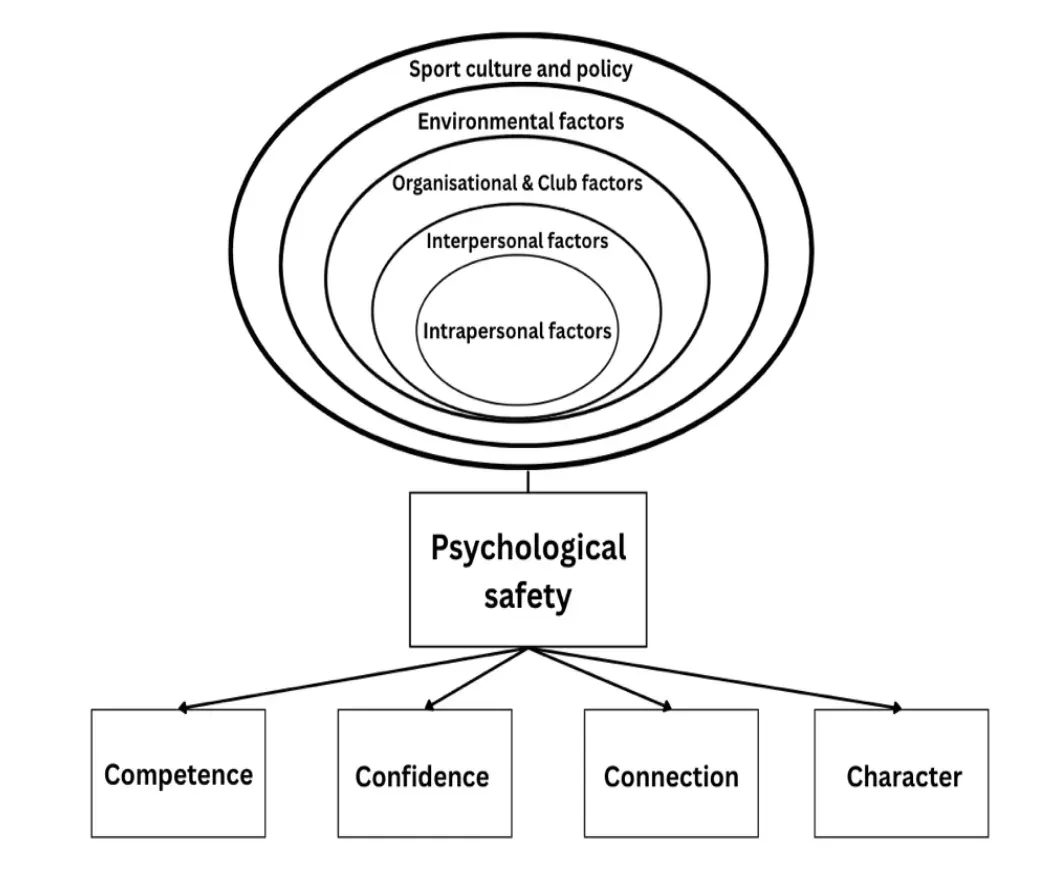
In practice, it seems athletes feel as though they have to choose between wellbeing and performance without the possibility of having both. However, previous research has shown that thriving, which combines both performance and wellbeing equally, contributes to better performance, motivation, sustained participation in sport, and enjoyment.
Until sport environments start prioritising athlete thriving rather than performance funded models, athletes will continue to experience psychological harm and stress. All levels of an athlete’s ecosystem need to actively ensure and promote psychological safety in their day-to-day behaviours rather than simply ‘ticking a box’ to comply with policies.
Despite the criticism Gabriella received for publishing her book and exposing the system, her bravery and honesty is what is needed to begin to change a system that is still heavily rooted in tradition and ‘winning at all cost’ mentalities. Instead of silencing or ignoring those who share their experiences, shall we not pause for a moment and actually ask at WHAT COST?