Blog
Behind the Sparkle
Psychological Safety and Negative Coaching in Aesthetic Sports
During my psychology masters last year, I conducted some research on psychological safety and the influence of negative coaching on elite athletes in aesthetic sports.
I was inspired by my own experience as an athletes in the figure skating world, as well as the continuous news articles published about abuse in sport. It left me asking myself why reports of systemic abuse continued to fill my news feed, yet nothing was being done to rectify the issues affecting so many athletes.
Below is an overview of the research I conducted, along with a creative non-fiction story illustrating the finding of the research.
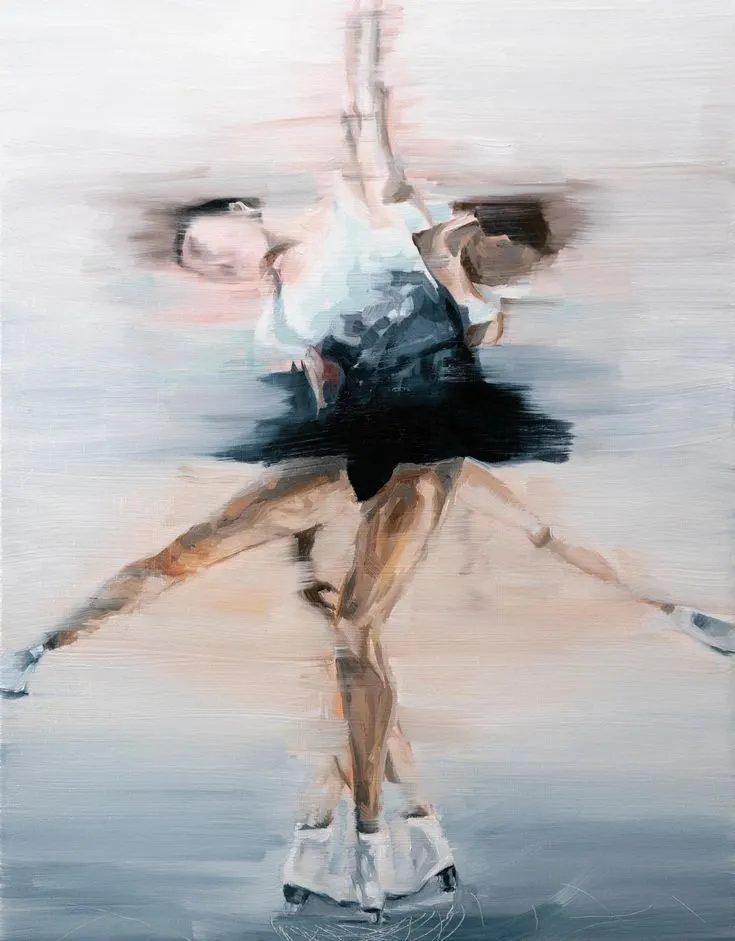
Research reference: Palmer, N. & de Cruz, N. (2025). Psychological Safety and the Influence of Negative Coaching on the Wellbeing of Elite Athletes in Aesthetic Sports, Faculty of Health Sciences, University of Surrey, DOI: 10.13140/RG.2.2.13201.34408
Psychological safety and high-quality coach-athlete relationships are crucial for athlete wellbeing and optimal performance. Yet psychological safety remains an immature area of research in sport psychology compared to other well-established concepts.
Despite increased efforts to safeguard athletes, abuse remains systemic. Systemic abuse in dance and the British Gymnastics scandal exemplifies this (Whyte Report, 2022). According to the US Centre for SafeSport, psychological harm affects 50–70% of young athletes internationally, exceeding physical and sexual harm rates. This harm is often normalised as “just part of training,” falling outside current UK legal boundaries, yet its impact can be detrimental to athlete wellbeing.
In aesthetic sports, which includes dance, figure skating and gymnastics, the risk of psychological unsafety is particularly high due to performances being judged on skill, artistry and appearance. These are ‘young’ sports meaning entry typically starts at age 2-3, elite level is achieved around 12 years old, and athletes often retire in early adulthood. Training hours are intensive, with athletes spending more time with coaches than family. This dependence, combined with young ages, creates increased risk for power imbalances and harmful coaching behaviours, which young athletes may not recognise due to lack of awareness and cognitive maturity.
Unfortunately, media reports of abuse surpass existing research in aesthetic sports. Until now, current research remained limited, with no studies examining the influence of psychological unsafety and negative coaching.
What is psychological safety and why is it important?
Psychological safety which originated from organisational psychology, has entered sport literature but lacks conceptual clarity when applied to sport. Current research in sport psychology defines it as ‘the perception that one is protected from, or unlikely to be at risk of, psychological harm in sport.’ Practically, it means athletes can feel safe in their environment, comfortable raising concerns or taking risks, and easily communicate with coaches and peers without fear of repercussions, punishment or rejection.
Importantly, psychological safety is distinct from safeguarding. Safeguarding represents protective measures implemented by organisations, whereas psychological safety stems from athletes’ subjective experiences. One can feel psychologically unsafe despite existing safeguarding frameworks, as illustrated by athletes’ accounts in this research. While safeguarding measures are crucial, psychological safety must be fostered at each level of an athlete’s ecosystem and embedded in all actions and behaviours.
What the research revealed:
The results of this research highlighted four main themes:
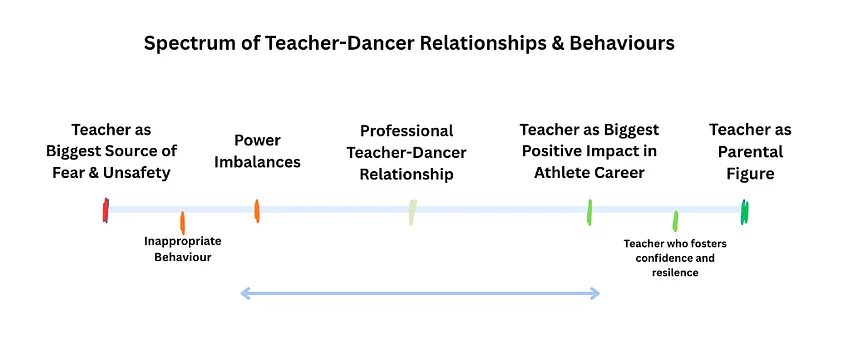
1. The Spectrum of Coaching Behaviours: The coach-athlete relationship exists on a spectrum. Supportive coaching fostered trust, motivation, resilience, and respect, with many athletes likening coaches to family figures. Fear-based coaching relied on humiliation, control, and emotional abuse, eroding confidence and fostering fear.
2. Outcomes for Wellbeing & Performance: Supportive environments nurtured resilience and improved performance while maintaining enjoyment. Fear-based coaching sometimes produced short-term results but at high cost: disordered eating, demotivation, stress and early dropout.
3. The Role of Support Systems: Where strong support networks existed, including family, peers, mental health professionals, athletes coped better with challenges and fostered better resilience. Where support was absent, athletes remained vulnerable, enduring harmful behaviours without safe reporting routes.
4. Immediate and Long-Term Consequences: Effects were both immediate and lasting. Many athletes resorted to harmful coping strategies like disordered eating, self-harm, or emotional suppression. Others carried the impact of derogatory comments well into adult life. Yet where coaches created safe environments, athletes retained positive lessons: resilience, self-belief, and values serving them long after competitive sport.
A unique cultural environment which leaves athletes vulnerable
Aesthetic sport athletes are particularly vulnerable due to intersecting risks: coach-athlete power imbalances, lack of effective support systems, performance-driven funding models and, crucially, normalisation of harmful practices disguised as ‘paying the price of success.’
Harm is rarely the fault of ‘few bad actors’ but rather a systemic issue embedded in aesthetic sport culture. Key cultural problems include:
· “Winning at all costs” mentality justifying harmful behaviours
· Lack of compulsory safeguarding, teacher training, and unified regulatory bodies
· Body scrutiny, weigh-ins, controlling food practices leading to poor body image and disordered eating
· Culture of silence where athletes fear speaking out
· Early specialisation limiting awareness to identify abnormal behaviours
What does this mean practically?
Despite safeguarding frameworks, abuse persists. This research found that ensuring psychological safety requires aesthetic sport environments to adopt athlete-centred approaches, adapting actions and behaviours based on athletes’ needs. Additionally, athlete thriving which combines performance and wellbeing equally as success measures, must also be prioritised at each ecosystem level and act as the foundation of all actions.
For Coaches, this means:
· Respecting athletes as whole individuals, not just performers
· Communicating with empathy; provide constructive, specific and supportive feedback
· Providing unconditional support regardless of performance
· Being mindful of body-related comments (even indirect or implicit comments). Focus on health, strength and function rather than appearance
· Encouraging open dialogue where athletes feel comfortable raising concerns without fear
· Investing in education: take safeguarding and psychological safety training seriously. Reflect on your coaching regularly
For Organisations and Regulatory Bodies, this means:
· Embed safeguarding policies explicitly covering psychological safety
· Provide independent, confidential reporting structures
· Provide mental health and wellbeing support alongside physical health provisions
· Train teachers/coaches on psychological safety, nutrition, positive coaching behaviours and safeguarding
· Train athletes on normal vs. abnormal behaviours, effective coping mechanisms and help-seeking behaviours
Why this matters now
The research makes it clear that psychological safety is not optional. It is a prerequisite for wellbeing, performance, and long-term development. Thriving athletes are produced through respect, empathy, and holistic support, not fear. Without prioritising psychological safety, the ‘winning at all costs’ mentality will persist and athletes will continue enduring abuses of power in environments meant to support them.
Coffee Confessions
The muffled sound of general conversation and the hiss of the coffee machine were barely heard by Aria whose loud and ever-present thoughts were consuming her mind as she waited patiently for the others to arrive for their weekly catch-up. She stared at her coffee cup which read ‘Oat Latte w/ small pump of honey’, as a wave of guilt spread over her.
Maybe I shouldn’t have asked for the honey, she thought as the chime of the coffee shop door pulled her back to reality. She turned around to see her friend Noah, carrying his skate bag and Ivy, her joggers still covered in chalk. Noah lets his bag crash to the floor and slumps into his chair.
“Gosh, I’m so tired.”
“How was training?” Ivy asked, leaning over her chair to crack her back.
Noah shrugs. “Oh, the usual, I guess.”
“What about you Aria, was it alright this week?” A popping sound came from her back.
Awful as always, Aria thought, wrapping her hands around her cup.
“Fine,” she says aloud. “Are you guys going to order anything?”
“In a bit,” Ivy replies.
Aria lets out a small sigh, another wave of guilt hitting her.
Noah summons his energy and walks up to the counter to order a black coffee. Ivy takes the opportunity to whisper towards Aria, “Hey, you okay?”
Aria gives a quick nod, and before she has the chance to get any words out, Noah comes back to his seat.
“Oh, I forgot to ask, how did that competition go Ivy? What was it—” he asks, blowing on his coffee.
“The Team Gym Championship…yeah it went so well! I got my first personal best for this year, and my coach was so pleased. She gave me a big hug afterwards and then we all went out for dinner, it was so much fun!”
Aria shifts in her seat, taking small sips from her coffee, which she now regrets ordering.
“Wow your coach hugs you after a good performance? All I get is a firm handshake for a good skate and even then, I’m not sure how to take it,” Noah says.
I wish all I got was a handshake, thinks Aria.
“Oh yeah, Julie’s really good like that, she is super supportive and even when I miss vault, which I often struggle with, she always finds the right words to put me in the right head space.”
Noah swirls his coffee around feeling envious. “I wish my coach was like that. I always feel so nervous before competition… and even in training to be honest. If I can’t do something, like I’ve really been struggling with my triple salchow recently and all I get from the coaches are things like ‘why do I even bother if you’re not going to put effort into it’. Yesterday, Derek told me he would be embarrassed to stand beside me next week at nationals if I skated like this—”
Ivy’s eyes widen in surprise.
“—and said that he almost couldn’t be bothered to go.” He sighs, brushing his hand through his hair. “It just makes me even more anxious to compete because I’m scared of what he will say if I don’t do well.”
As Aria listens and thinks of something supportive to say to Noah, she gets a whiff of someone behind her wearing the same cologne as her coach and is transported back to the feeling of hands pressed against her. She feels sick and struggles to swallow the sip of coffee she still has in her mouth.
“That’s outrageous! I can’t believe your coach said that to you. Is he like that with everyone?” Ivy says, glancing towards Aria. “Are you sure you’re okay Aria?”
I feel like I want to hide in a hole forever, Aria thinks, but aloud says, “Fine... I also wish my coach was as good as yours.”
Noah sighs again. “I mean yeah, he is like that with pretty much everyone. Obviously, he has his favourites but I’m not one of them right now, I don’t know if I have ever been…”
“Ah I’m really sorry, that sucks. But hey, you just have to try and ignore them and focus on yourself. Imagine that they are not there,” Ivy replies.
“It already feels like they are not there sometimes, I feel like I can’t talk to anyone,” Noah says, finishing off the last bit of his coffee.
Aria hesitates and says, “Yeah I feel the same way sometimes,” the others barely hearing her over the sound of the coffee grinder roaring behind them.
“It’s just what happens in elite sport I guess,” Ivy says nonchalantly.
Noah is quick to reply, “Yeah but it’s different for you Ivy, at least you feel supported by Julie. You kind of have a team spirit in gymnastics. You never have anything bad to say about your coaches, whereas I feel like I have no one.”
Ivy sits back in her chair.
“Like if I complain, I’m scared they will just use it against me later or they will just shout at me. And then my parents, of course they don’t understand, and they have no idea what’s going on half of the time. I’m sure it’s similar for Aria, right Aria?”
She looks up from her lap where she had been picking at the skin around her nail, which has now turned red.
“I..hum—” she starts, a shiver running down her back as another memory invades her mind. This time, it is the sound of her coach’s breath so close to her ear, making her skin crawl.
Noah continues, “I literally have no one to talk to, other than you two obviously,” pointing to Ivy and Aria, “no nutritional help or mental support and even then, Derek thinks that having a mental coach is a sign of weakness.”
Ivy looks at Aria and then back at Noah with sympathy. Noah pauses and rubs his forehead; the others stay silent. Aria is still consumed with her thoughts which she tries to push down, and Ivy tries to think of something to say.
Noah starts again, “On top of that, I wouldn’t even have the finances or support to pay for any help myself, so I just feel trapped at times.”
Trapped, Aria thinks. Trapped in my mind, trapped at training, trapped at home. As she prepares herself to tell Noah that she feels the same, that she also feels like she has nowhere else to go, she feels a small wave of gratitude for her two friends, with whom she feels slightly safer. Combined with that comes a wave of panic at the thought of disclosing her own experience in her dance practices.
They won’t understand. They’ll think I’m being too sensitive or just say it’s part of being in the dance world. She decides to refrain from saying anything and goes back to picking her skin instead.
Noah and Ivy both notice the change in Aria’s breathing and her frantic skin picking. They look at each other, sharing an unspoken concern for their younger friend. Ivy hesitates, remembering the conversation they had a couple of weeks ago and wonders whether Aria’s anxious behaviour relates to her eating and body image struggles. She decides to place her hand on Aria’s and says, “You know we’re here for you anytime.”
Aria gives a small smile, the wave of gratitude washing over her again, despite the voice in her head telling her don’t tell anyone, keep it for yourself or it may get back to him.
Ivy places her other hand on Noah’s and says, “I know it’s hard and I’m sorry you feel like you have nowhere to turn but know that I will always be here to listen.”
“Thank you,” Noah replies despite the lingering feeling he has that she still doesn’t truly understand.
“I better get back,” Noah says, grabbing his skate bag.
“Same time next week?” asks Aria.
“Wouldn’t miss it,” Ivy says, rubbing the bit of chalk that still lingers on her joggers. “Ugh, this stuff always gets everywhere.”
The three of them hug each other goodbye and make their way to the door, each deep in their own thoughts. Noah whips out his phone and eagerly checks the bus times because he knows that if he arrives late on the ice, Derek will be mad at him again and he doesn’t want to do any more press ups.
Aria walks along the pavement slowly, resisting going back to dance practice but then can’t think of anywhere else to go.
Ivy leaves feeling grateful for the support she has around her, but sad that not everyone has the same kind of support. She worries about her two friends and feels helpless, not knowing how to help them further.