Blog
The Psychology of Alysa Liu
How olympic gold medalist has cracked the code to high performance
In February this year, Alysa Liu captured everyone’s hearts at the Winter Olympic Games in Milan. Many might have been impressed by her artistic and athletic quality, others by her hair and ‘alt girl’ Gen-Z vibe, but what appealed to me was her attitude and mentality towards competition and performance.
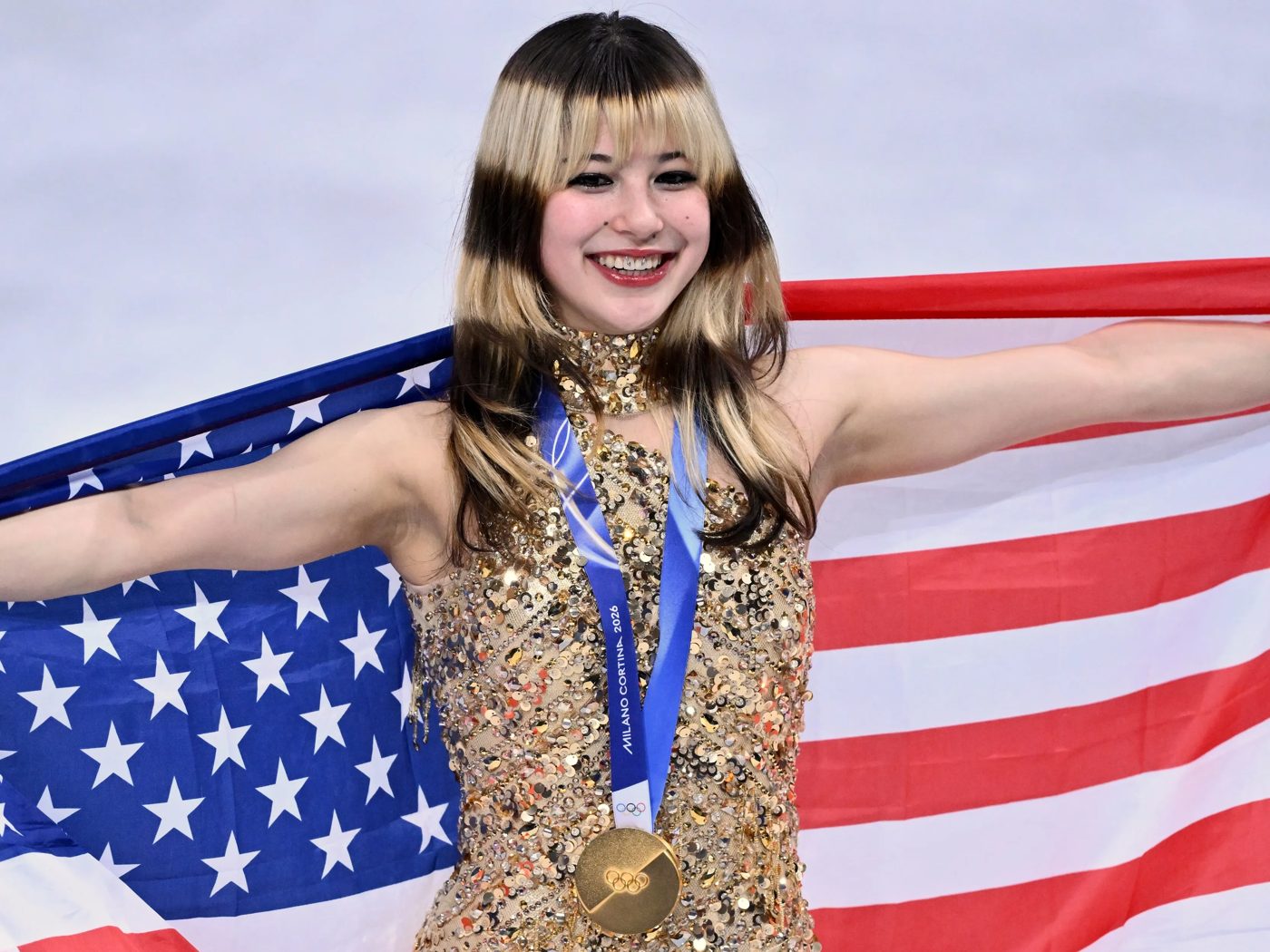
When I watched Alysa listen to the scores announced for the Japanese skater who had come first after the short program, I expected her to jump up for joy with shock and pride on her face when she realised she had placed first overall, and just won gold in the Olympics. She did jump up for joy, but more so for her friend and competitor, Ami Nakai who herself, couldn’t believe that she had made the podium.
She seemed so relaxed and like she either expected it, or she didn’t care so much for the result. After listening to her post skate interview, it seemed it was the latter. She described feeling so calm before her skate, so much so that she had time during her transitions to look out into the crowd and take it all in, and it showed. She skated with such joy, playfulness and freedom.
So what allows her to feel such joy when so many athletes feel riddled with pressure and nerves?
Detachment to winning and outcomes, and a focus on processes
One element to Alysa’s success is her non-attachment to winning. Now some would argue that she is lying when she says she doesn’t care about the outcome or the result, because who doesn’t want to win? But you only have to look at her enjoyment on the ice and her non-reaction after winning gold in the olympics to realise that she is perhaps telling the truth. She is so process driven that the outcome doesn’t really matter to her. She said herself in an interview that even if she did fall or mess up, she would be okay with that, because for her, its just about loving skating.
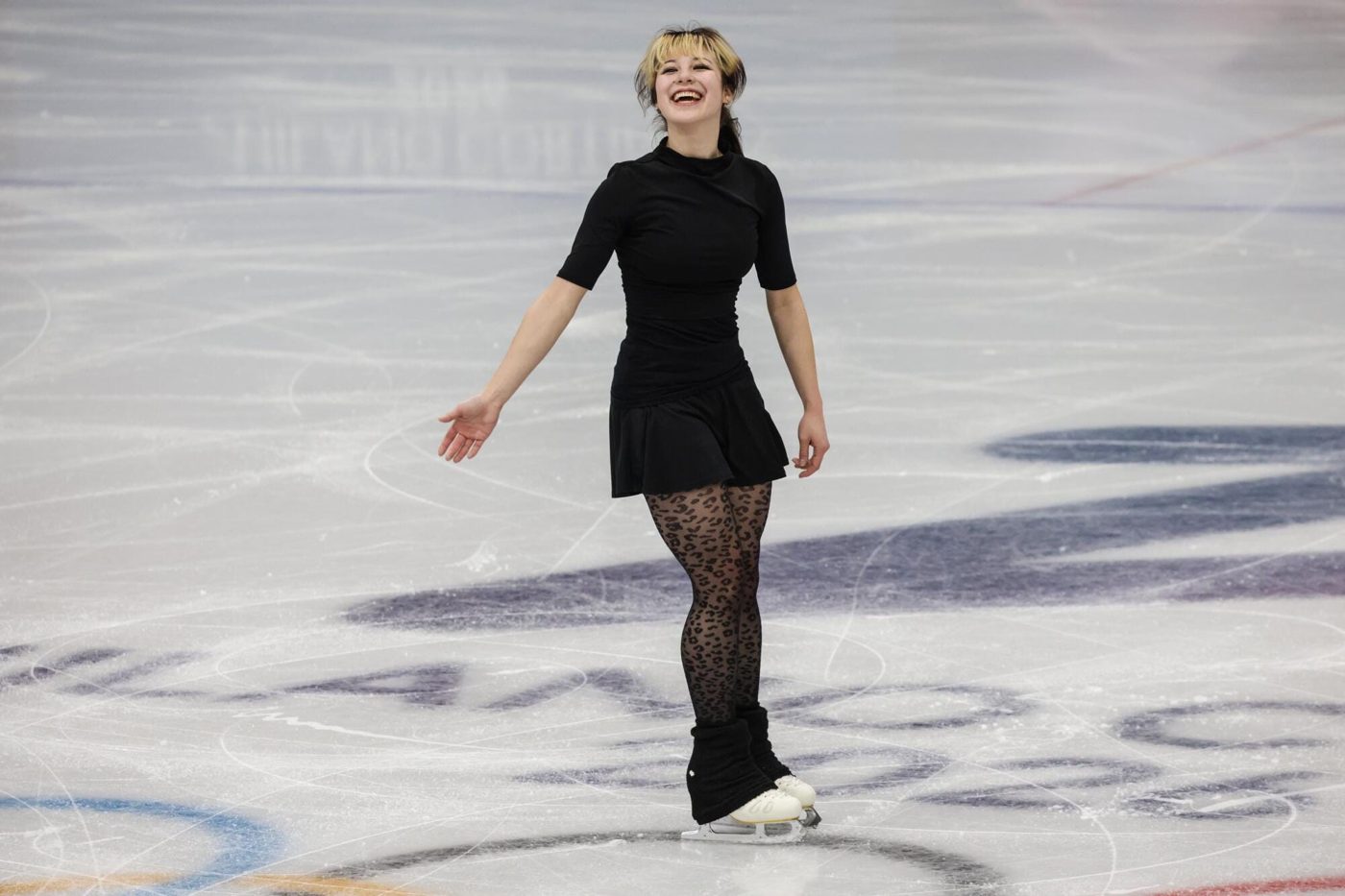
“There are much better things in life that winning a world championship”
Taking a break from ice skating gave her perspective and made sport less all encompassing
In 2022, after coming 6th in her first Olympics and winning two national US titles, amongst many others, Alysa announced her retirement from skating via instagram at the age of 16. It made sense really. She had already been so successful as a figure skater and she was now able to enjoy her life as a teen, spending time with friends and studying.
She explains that this break allowed her to gain perspective on life outside of sport, removing the all encompassing nature of sport that can sometimes overwhelm athletes. She was able to place value on things which were not training, competing or winning which probably explains her ability to de-centre winning now.
Training and skating, especially during the pandemic, which added an isolating factor, had become too much and she lost the enjoyment for it, so stepped away after the World Championships in 2022. This was the best move for her and credits a lot of her success now, to the break and perspective she gained during that time. In fact, she encourages everyone to take a step back from the things they do everyday to re-evaluate.
‘You really have to take a step back and re-evaluate why you want to do it’

‘You shouldn’t be 100% into something and not exploring the rest of your potential, that would be doing yourself a disservice’
Autonomy and skating on her terms
Alysa has been quite candid about her experience with skating before her retirement. She describes times where she was not able to drink water or have agency over what food she could eat, music to skate to, or dress designs. Her training was quite strict, which granted, is required at elite level, but her experience lacked autonomy. This meant she was not skating for herself but for other people which made her feel like she had no mind of her own at 14 years old, making her hate skating. In describing her experience, she said:
‘Practice was so serious for me, I would cry after practice after falling on every jump. The team I had around me was so strict, I was in flight or fight mode all the time.’
With that experienced behind her, she now skates on her terms. She has autonomy over how much or little she trains based on how she feels and she now chooses her own music and dress designs which has allowed her to find the love for skating again, which shows.
Fierce growth mindset
For this last point, I think I’ll start by letting Alysa speak for herself because this quote speaks volumes. In an interview at the Olympics in 2026, she said:
‘I don’t think anything is going to be hard. Every second you are there, you are gaining something. There’s nothing to be lost, nothing to complain about. I can’t think of anything that I would find stressful or that could bring me down.’
Having this mindset going into the Olympics where, let’s be honest, there was some pressure and expectation that she could win or medal, is perhaps the very reason she did win. She was able to remove all pressure and simply view her Olympic experience as simply that. Experience.
For her, there really wasn’t anything to lose because no matter what happened, she would learn and gain something. It’s definitely easier said than done, and I think it’s also important to acknowledge that she obviously did win, so it would have been interesting to see what her mindset would have been like if outcomes were different. However, I think we can all take inspiration from her mindset and experience, no matter what industry or environment we are in, because despite her specific circumstances, the philosophy remains true.